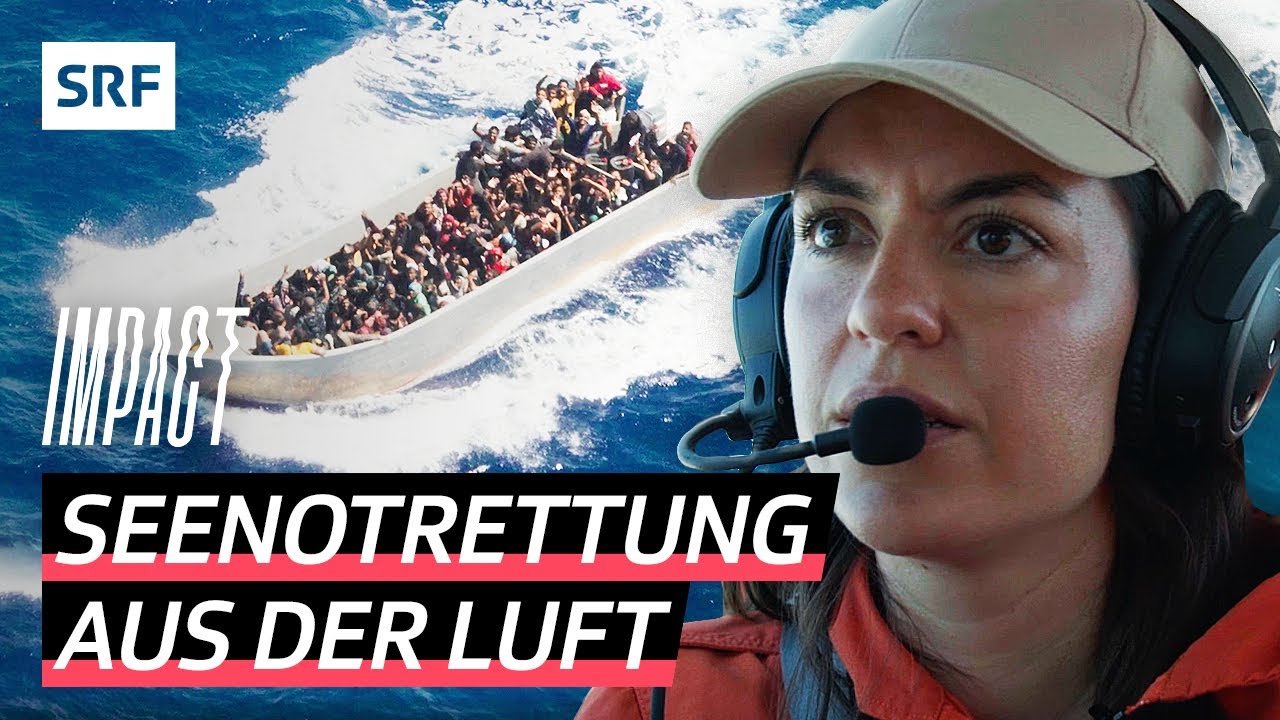
Interview with Cat Spangehl, our Tacco in the Atlantic
Cat, could you briefly introduce yourself? What is your role in the Atlantic project team?
I’m Cat, and I usually work as a captain and operations manager on search and rescue vessels in the Central Mediterranean. In the Atlantic, I serve as a tactical coordinator, meaning I’m responsible for directing the mission from the air. Based on various sources of information, I define the search areas, develop search patterns, and coordinate rescue efforts together with the ground team whenever we spot a boat. On land, I also lead the research team and act as a contact person for NGOs and other actors in the region.

You have spent a lot of time operating in the Central Mediterranean, now also above the Atlantic. What are the biggest differences in aerial surveillance and operations from your perspective?
The most striking difference is the sheer size of the operational area. The distance from Libya to Lampedusa is about 140 nautical miles, while in the Atlantic distances can reach up to 1,300 nautical miles. Our aircraft have limited range, so we need to make much more precise predictions about where a search can actually be effective. These vast distances also massively increase the dangers for people at sea. Bad weather, navigational errors, engine failures, or running out of water can quickly become fatal.
Another major difference is the lack of rescue infrastructure. In the Mediterranean there are civilian rescue vessels and the Italian Coast Guard. In the Atlantic, by contrast, we often have to rely on cargo ships, fishermen, or sailors to assist in emergencies, even though they are neither trained nor equipped for such rescues.
"Some testimonies we have collected are so disturbing that I have nightmares about them."
Was there a situation that affected you emotionally or clearly showed why our presence from the air makes a difference?
From the air, you are physically distant, but the stories we uncover through our research work affect me deeply. The journey from Senegal or The Gambia takes at least nine days, often more. Between 100 and 300 people travel in cramped wooden boats with no protection, insufficient water or food. No toilets, no shade, rough seas.
When I think of the people we rescue in the Mediterranean after “only” three days at sea—dehydrated, hypothermic, unconscious, suffering chemical burns—I can hardly imagine how someone survives ten days on the Atlantic. Many die during the journey, even when the boat eventually reaches land. They succumb to thirst or hypothermia, drink seawater out of desperation, or lose all hope. Some testimonies we have collected are so disturbing that I have nightmares about them.

How has HPI been received by other actors in the region?
Very positively and collegially. As in the Mediterranean, we work closely with Alarm Phone. In the Atlantic, we also have good cooperation with UNHCR and the IMO. Collaboration with merchant ships and sailors has also been excellent. We have received many proactive responses to our radio calls asking vessels to remain vigilant and assist in searches.
In distress situations, several ships have altered their course, monitored boats, and given us detailed situational reports, enabling us to respond more rapidly.
What are the next steps for the Atlantic project? We plan to resume flights from the Canary Islands early next year. At the same time, we are expanding our research team and developing a cross-organisational archive to systematically document movements on the Atlantic route. Currently, no one collects this data, even though it is essential.
"Our current funds only allow for a few more missions."
What kind of support is most urgently needed right now?
Crossings are increasing sharply, and so is the number of reported missing boats. Every flight can make a decisive difference—but our current funds only allow for a few more missions. We urgently need donations. Every contribution helps us stay in the air longer and continue searching for boats in distress.